


A Brief History of the Picnic: From Aristocratic Ritual to Shared Pleasure
Tout commence par une idée.
The picnic, as we know it today, evokes images of sunlit afternoons, carefully prepared food, and the simple luxury of sharing a meal outdoors. While it feels timeless, the picnic has a rich and evolving history shaped by social class, cultural shifts, and changing relationships with nature.
The Origins of the Picnic
The word picnic is believed to originate from the French term “pique-nique,” which appeared in France in the late 17th century. At the time, it referred to a social gathering where each guest contributed a dish or a bottle of wine. Contrary to popular myth, the term is not derived from racial or violent origins; linguistic historians widely agree it comes from piquer (to pick or nibble) and nique (a small thing or trifle).
Early picnics were not outdoor events at all. They were often held indoors, in private homes or rented rooms, and were primarily social affairs for the upper classes. The emphasis was on conversation, shared contribution, and leisure rather than location.
The Move Outdoors
The concept of dining outdoors gained popularity in the 18th century, particularly in France and England. This shift was closely tied to the Romantic movement, which celebrated nature, beauty, and emotional experience. Landscaped gardens, countryside estates, and public parks became fashionable settings for leisure.
In France, picnics became associated with day trips to the countryside, especially after the French Revolution, when access to public land expanded and rigid class structures began to soften. In England, picnicking grew alongside the rise of public parks and rail travel, allowing city dwellers to escape urban life for a day.
Picnics as a Social Statement
By the Victorian era, picnics had become a structured social ritual, complete with etiquette rules, prescribed menus, and appropriate attire. They were often romanticized in literature and art, symbolizing refinement, courtship, and social harmony.
Édouard Manet’s Le Déjeuner sur l’herbe (1863), though controversial, cemented the picnic as a cultural motif—one that blended leisure, nature, and modern life. From this point forward, picnics increasingly represented freedom, intimacy, and a break from formal dining conventions.
The Modern Picnic
In the 20th century, picnics became accessible to all social classes. The rise of portable food containers, blankets, coolers, and public green spaces transformed picnicking into a universal leisure activity. In North America especially, picnics became associated with family gatherings, national holidays, and community events.
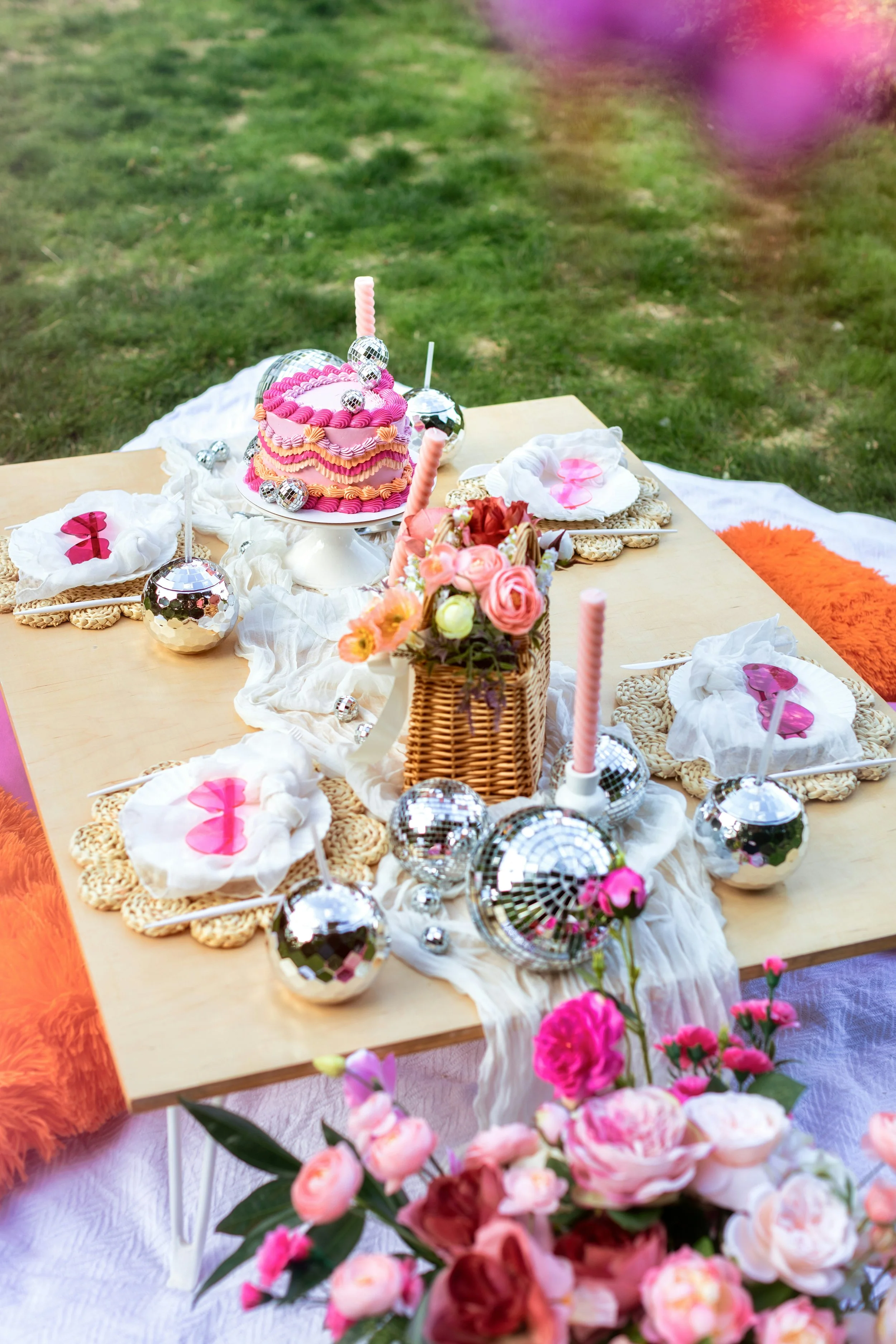
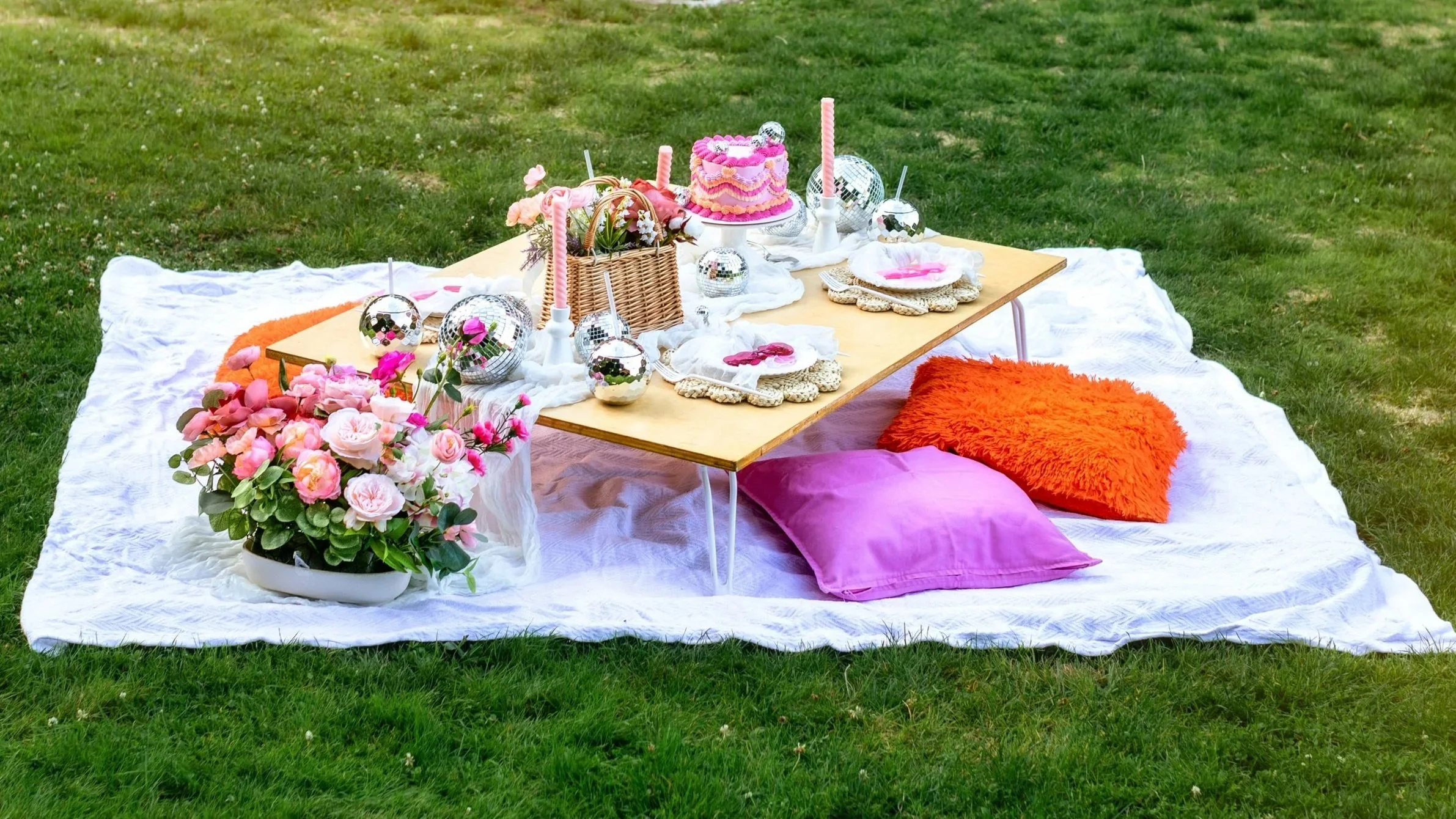
Today, the picnic has evolved once again. Modern picnics often blend tradition with elevated design—carefully styled tablescapes, curated menus, and intentional experiences. What was once informal has become a form of accessible luxury, centered on slowing down, reconnecting, and sharing meaningful moments.
Why the Picnic Endures
The enduring appeal of the picnic lies in its simplicity and adaptability. It requires no walls, no formal dining room, and no rigid rules—only the desire to gather. Across centuries, cultures, and social changes, the picnic has remained a symbol of togetherness, pleasure, and mindful living.
In a fast-paced world, the picnic invites us to pause, step outside, and reconnect—with food, with nature, and with each other.
Sources & References
You can cite or link to the following reputable sources:
Oxford English Dictionary – Entry on picnic / pique-nique
Smithsonian Magazine – “A Brief History of the Picnic”
The British Library – Articles on leisure and dining in the 18th–19th centuries
Larousse French Dictionary – Etymology of pique-nique
History Today – Social history of outdoor dining and leisure
Musée d’Orsay – Commentary on Le Déjeuner sur l’herbe by Édouard Manet